HNL-MAJ
By Michael H. Kew
"Going to Beran?"
Per my boardbag, this I am asked (within one hour) by an airport customs agent, two men awaiting rides, my taxi driver, the hotel clerk, and finally the hotel bartender.
"No. May I have another Asahi?"
Twenty years has an odd way of muddling memory. Today on Majuro I hold zero data of this hotel or its location, its bar, its restaurant, absolutely nothing despite occupying one of its quaint bungalows in September 2004. No idea for how many nights or how many days I spent on the beautiful adjacent atoll of Arno. Some kind of time warp as if the trip never occurred or it did only during a mentally infertile period of youth (age 29), led as I was by the hand of the nascent tourism office which back then seemed well-funded and intentioned, inviting me down to explore heretofore unknown waves.
Surfing/kiting/foiling was not a thing here before the great captain Martin Daly slowly unveiled it to our collective psyche. Beran Island, his luxe resort on Ailinglaplap, a quick flight from Majuro, is a quite fine place to get to. If you can.
Majuro is untouristable in the traditional sense. Of the seven non-Marshallese who deplane with me is an older Japanese couple here for fun. The five others are on business. The couple speaks no English and are staying a few doors down. After walking and taxiing around D-U-D and several times snorkeling in the oil-slicked lagoon behind our hotel, they seem slighted by Majuro's lack of sightseeing and leisure options and legit postcard scenes.
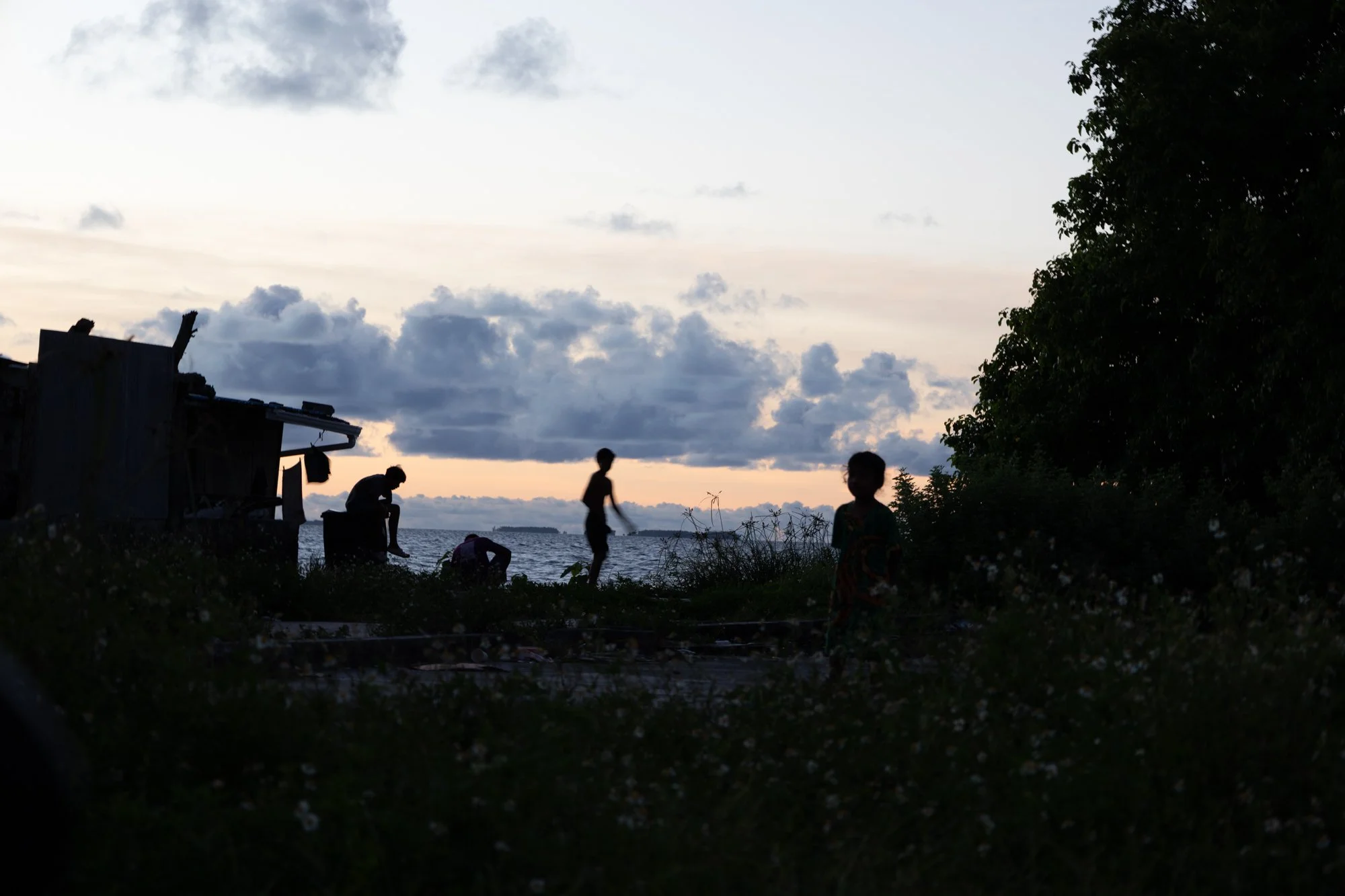
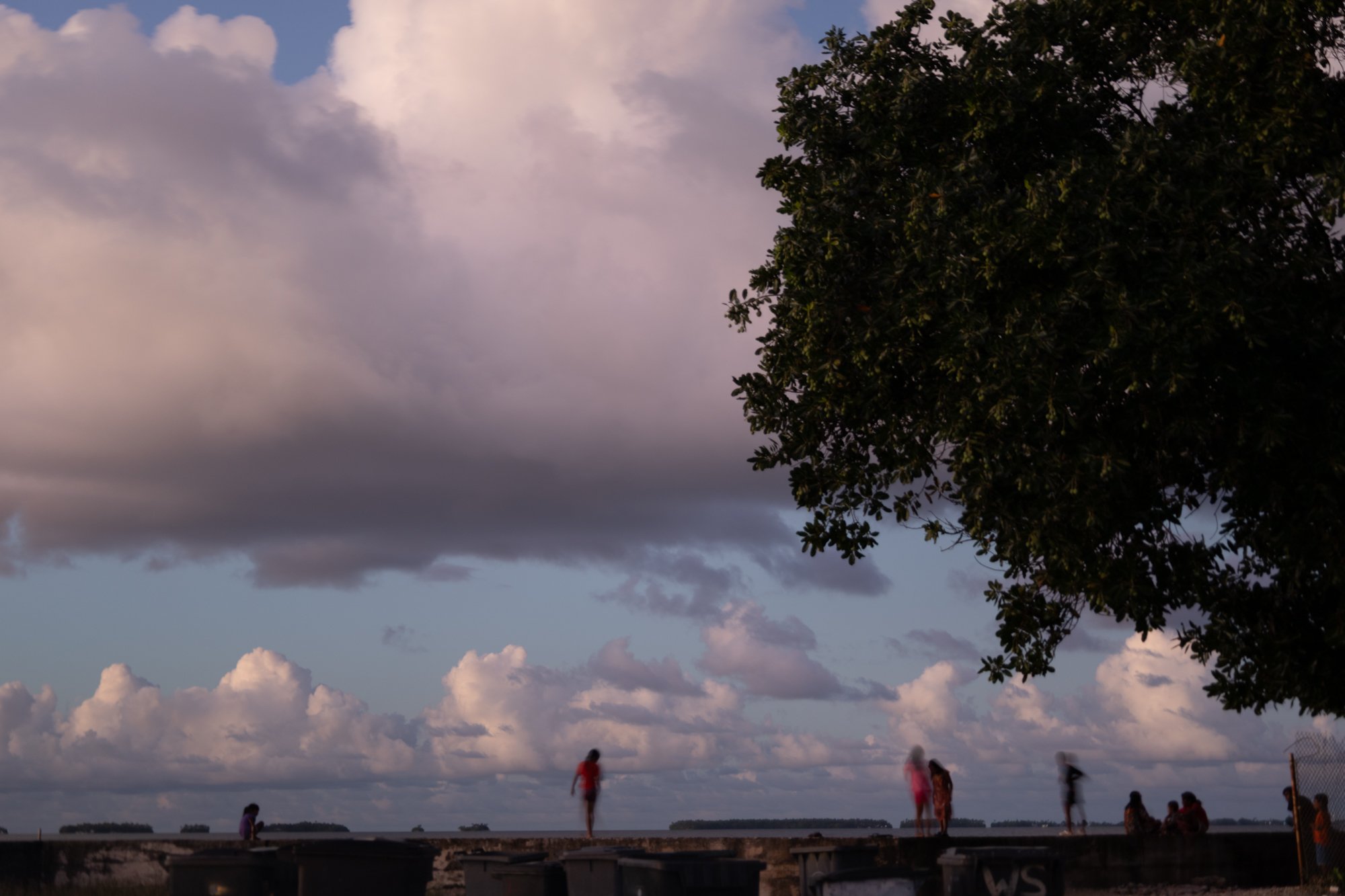
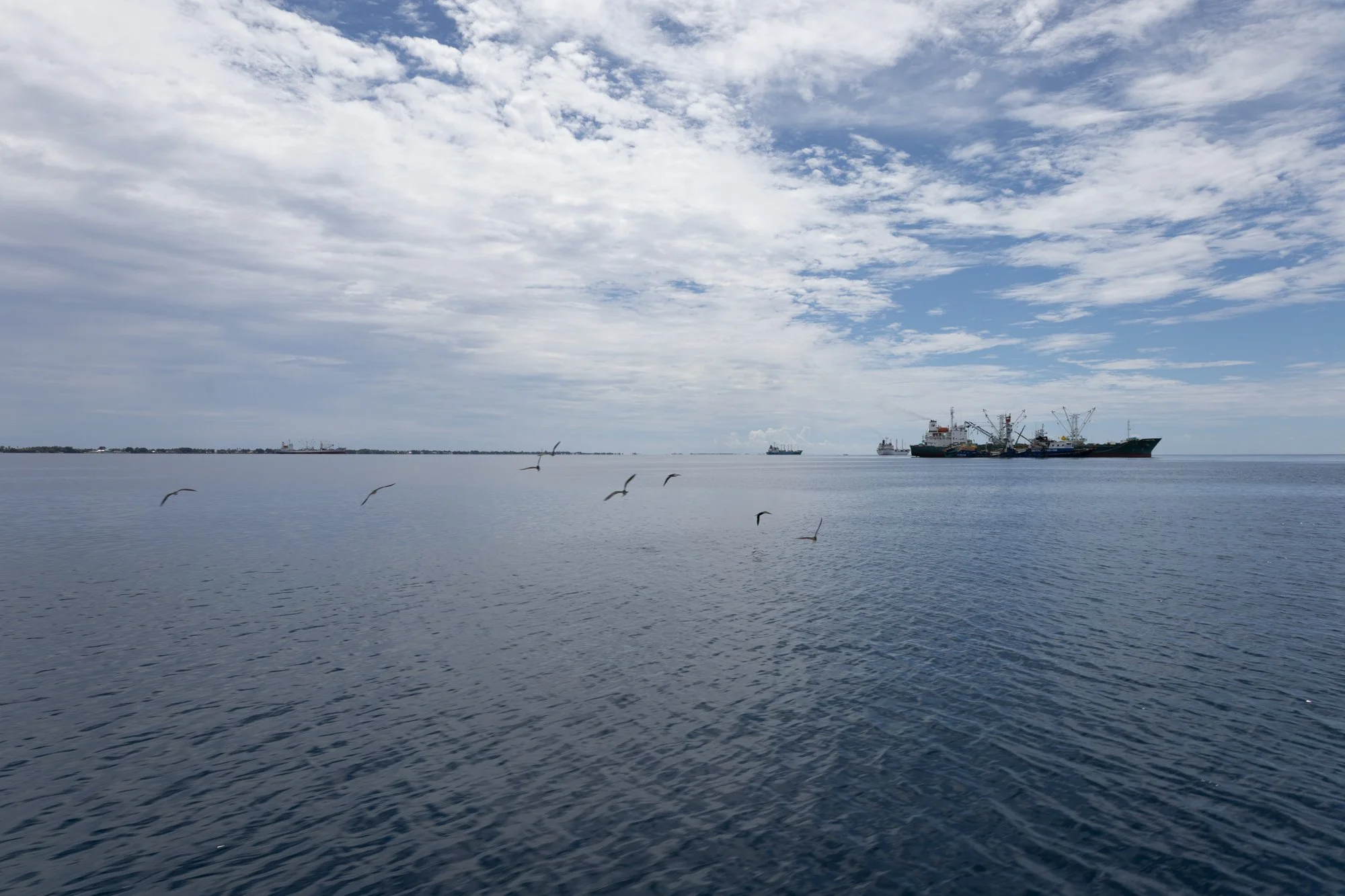
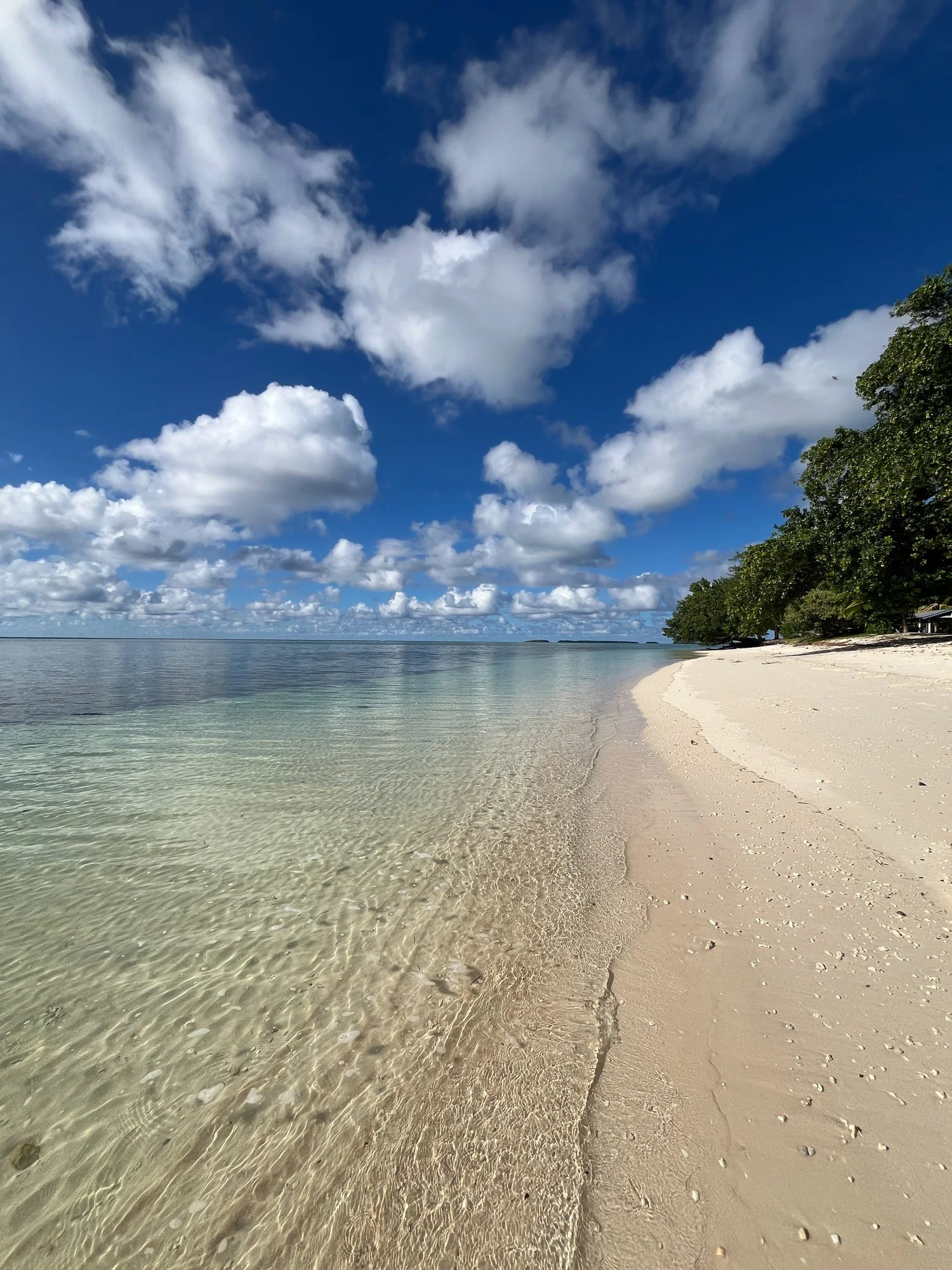
First impressions of my second D-U-D visit: basic squalor with a weird dichotomy of commerce being as it is the RMI’s nominal capital. Garbage aplenty, packs of wild dogs, structural decay, rusting boats, reek of rot and diesel, dirty pigs, sweaty jogging youths, big white reefer ships fat with tuna, crowds of new cars despite an overwhelming air of poverty. Hard-edged and bleak with really no beaches nor allure, a polluted ribbon of rubble, indeed a gritty glary microworld reflected in the tremendous puddles of last night’s rainfall upon a landscape so flat, drainage is nil.
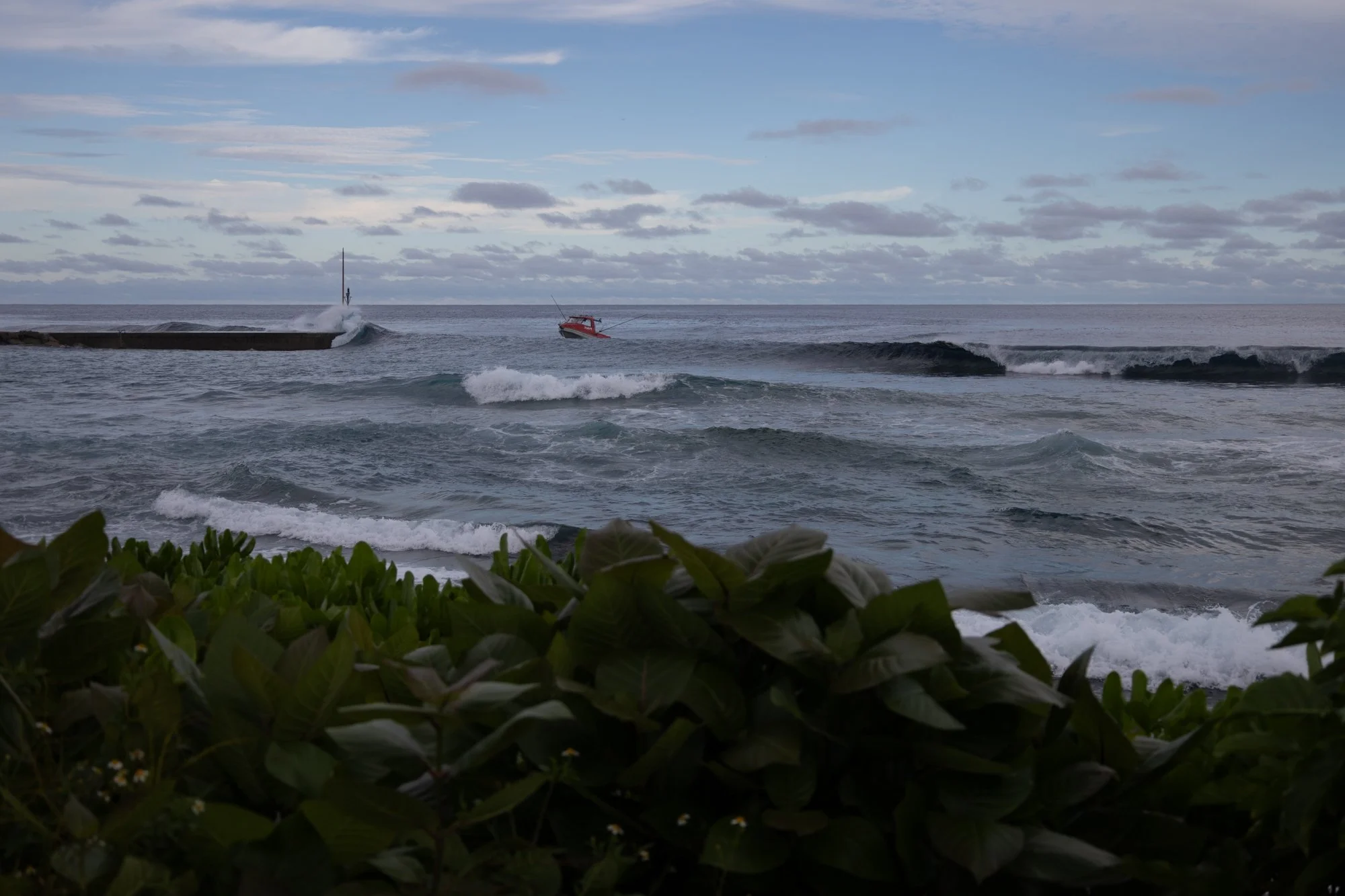
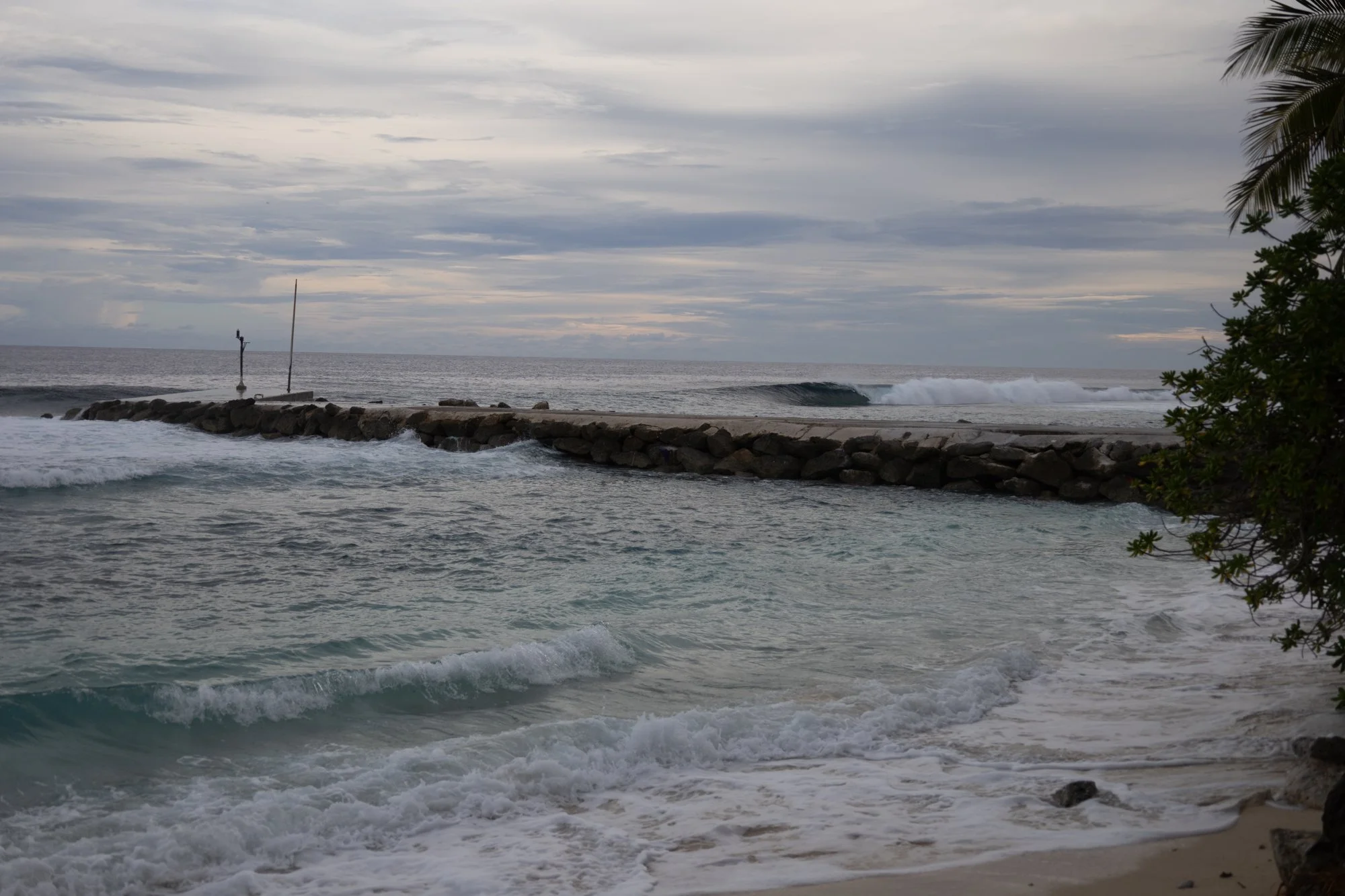
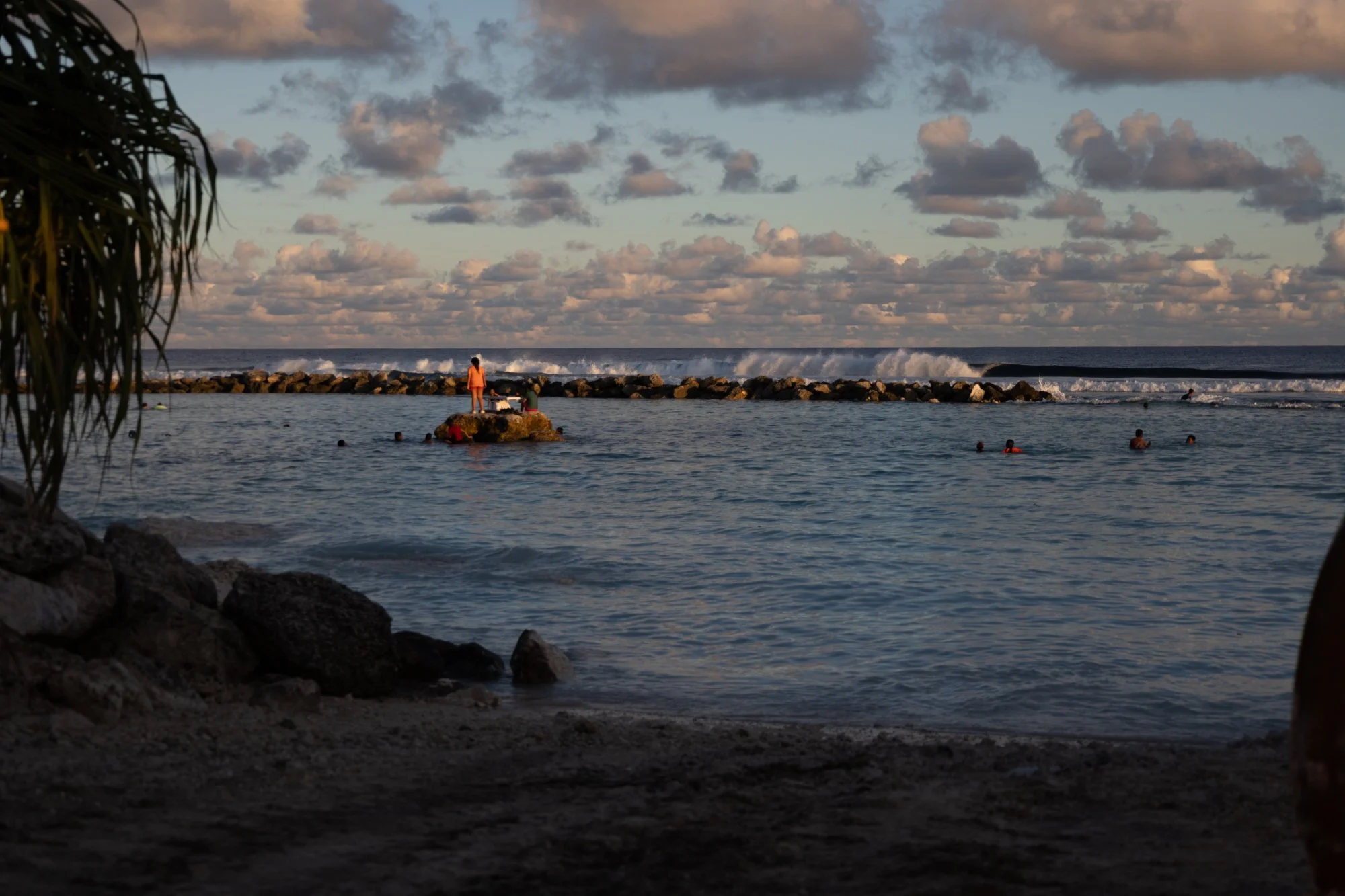
I do recall fearing the reef and rip current as I again attempt the atoll's one surfy notch accessible by car. In 1983 Japan built a 300-foot-long concrete bridge over a small manmade boat channel on Majuro's south coast. A crude right-hander was born. So crude and abrupt it is still nigh rideable despite being the atoll’s main surf spot.Very quick, very steep. With luck, you don't fall and bash the reef. A head-dip or jerky turn before the wave dies in the channel's deep slosh. The reef's anthropogenic shape is too sheer, too straight. Surfable only with a pushing tide when the rip funnels fiercely into the lagoon, requiring a near-constant paddle to stay in relative position.
Rather remarkable, I muse after another four-second ride, had the engineers sketched the pass wider and flared it more gradually. Presto! A fine little wave.
The Bridge is a fine bodyboard nook. Cleanly offshore in the prevailing trades. Overall, Majuro is not a place for surfing.
Or is it?
Look at a map.
“Our boat doesn’t go that far,” my hotel manager says. "You want to try surfing there?”
“Ideally.”
“We can figure something out. Come back in 15 minutes.”
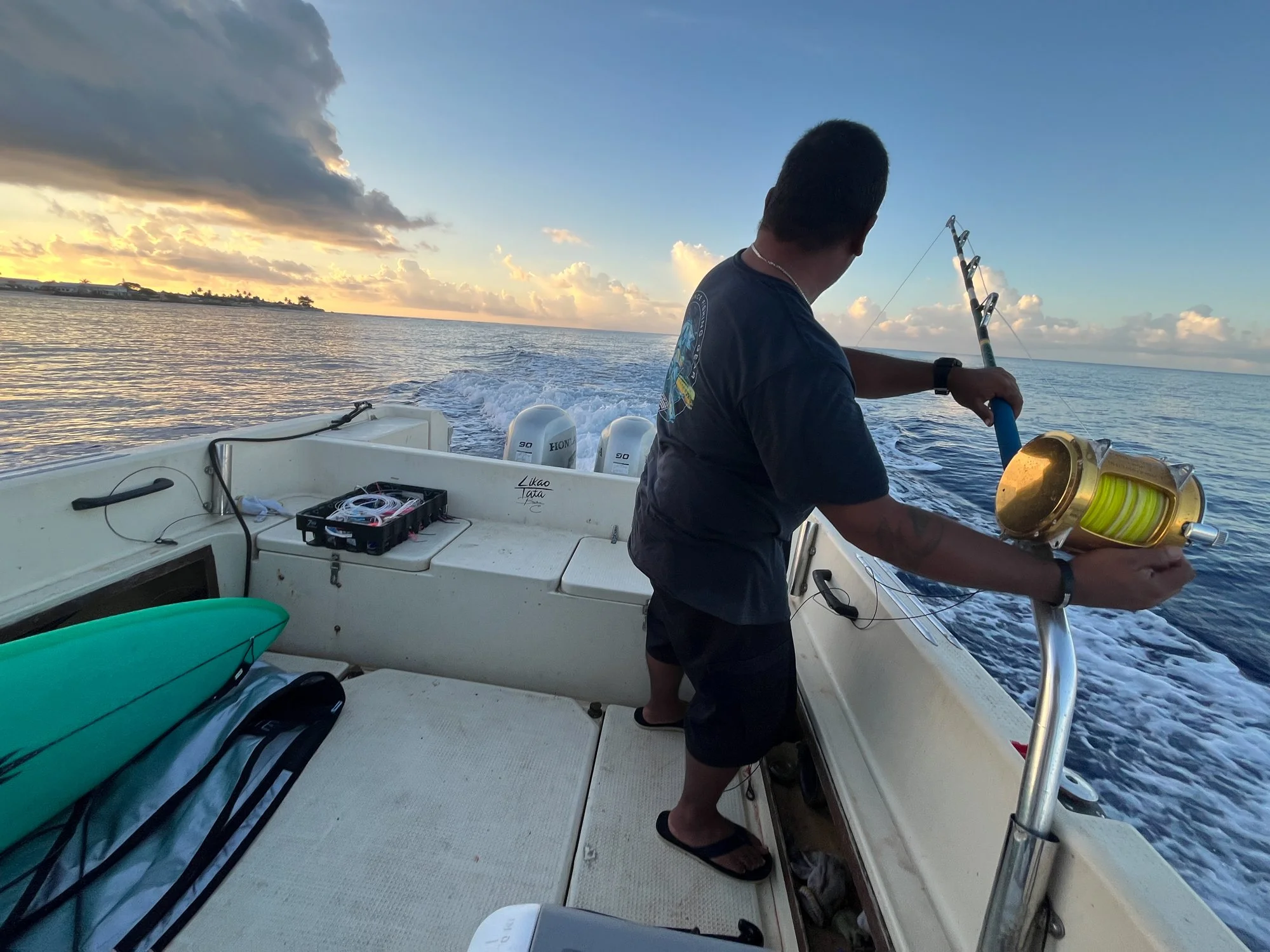
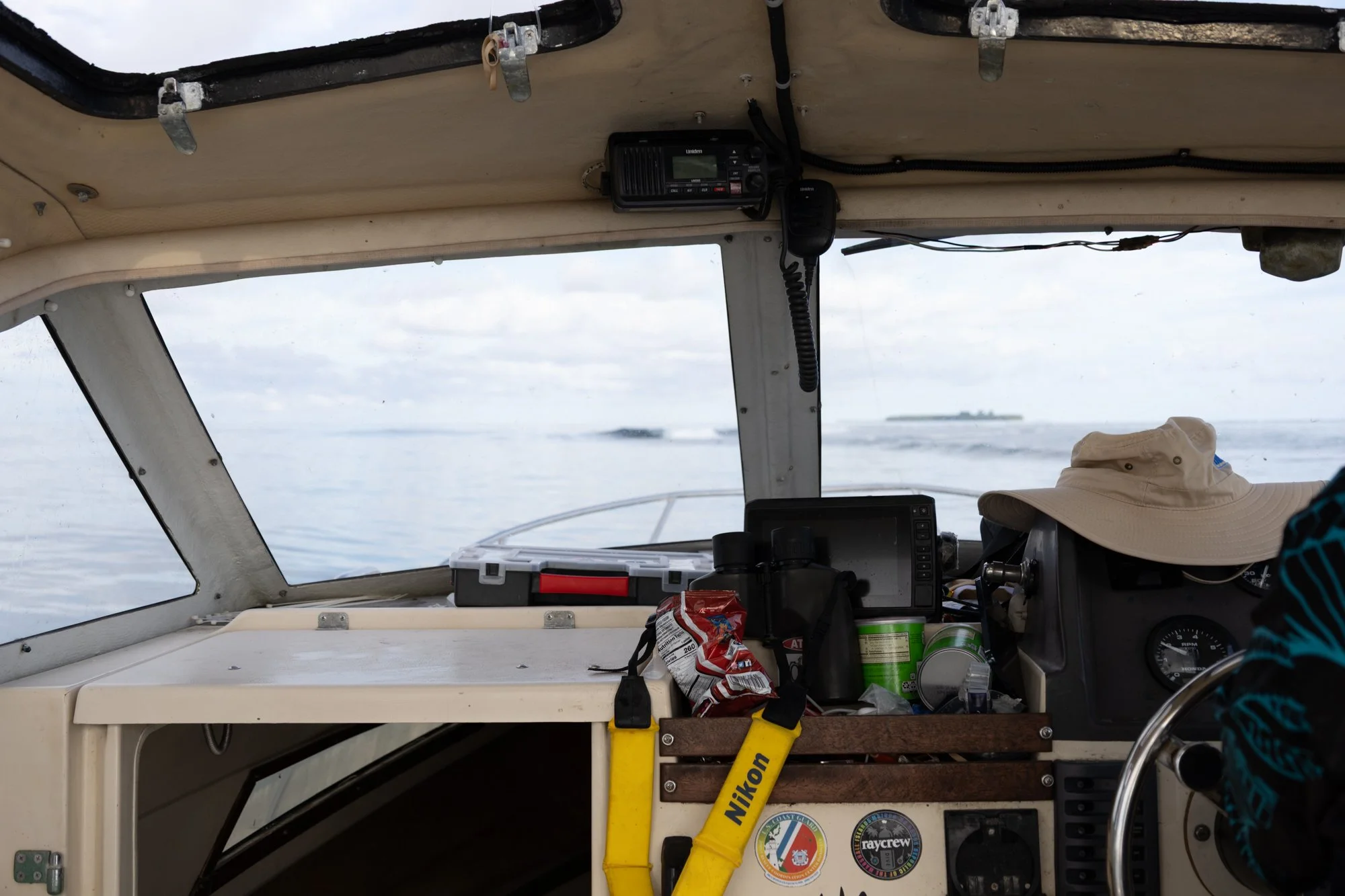
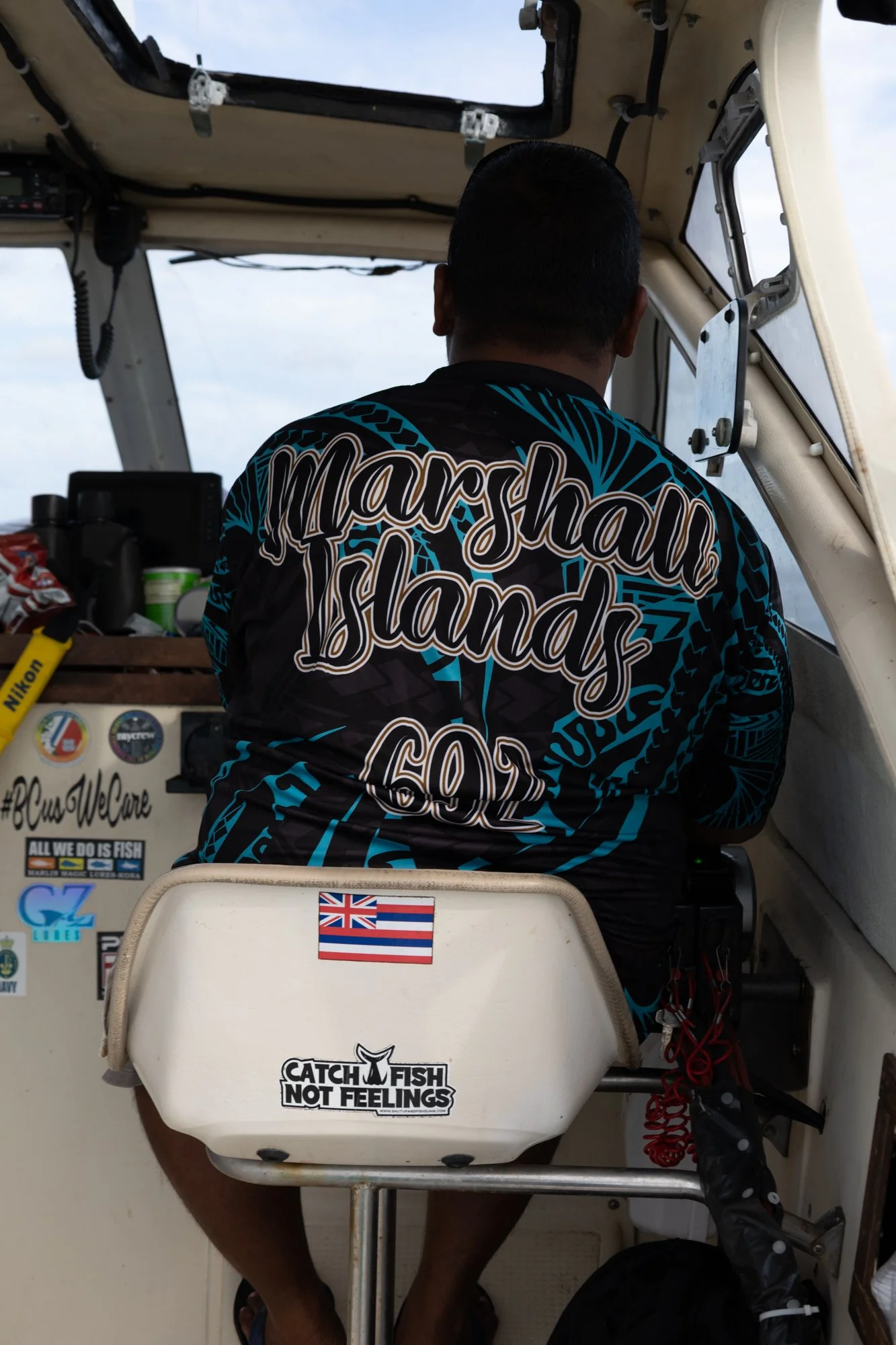
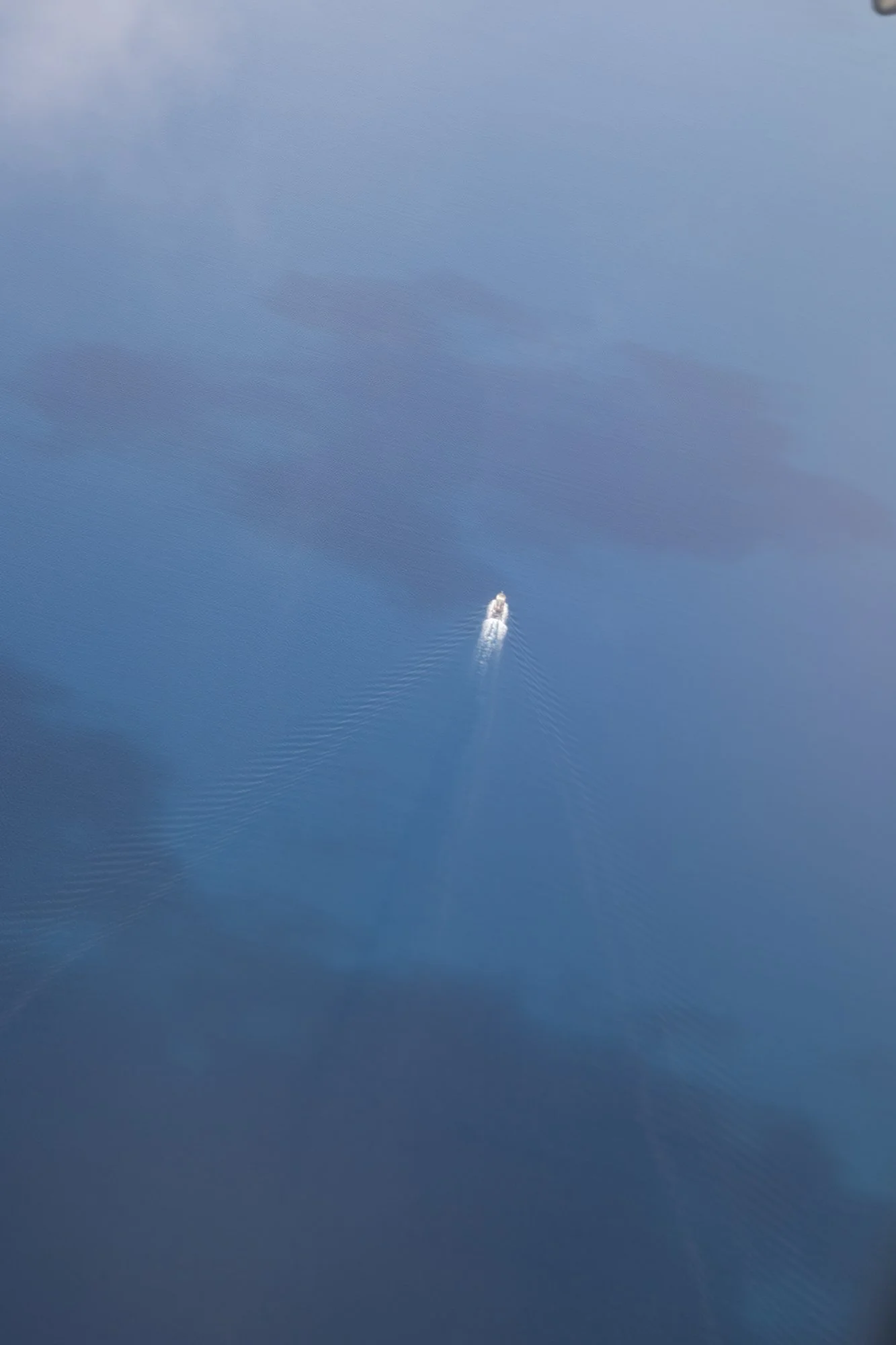
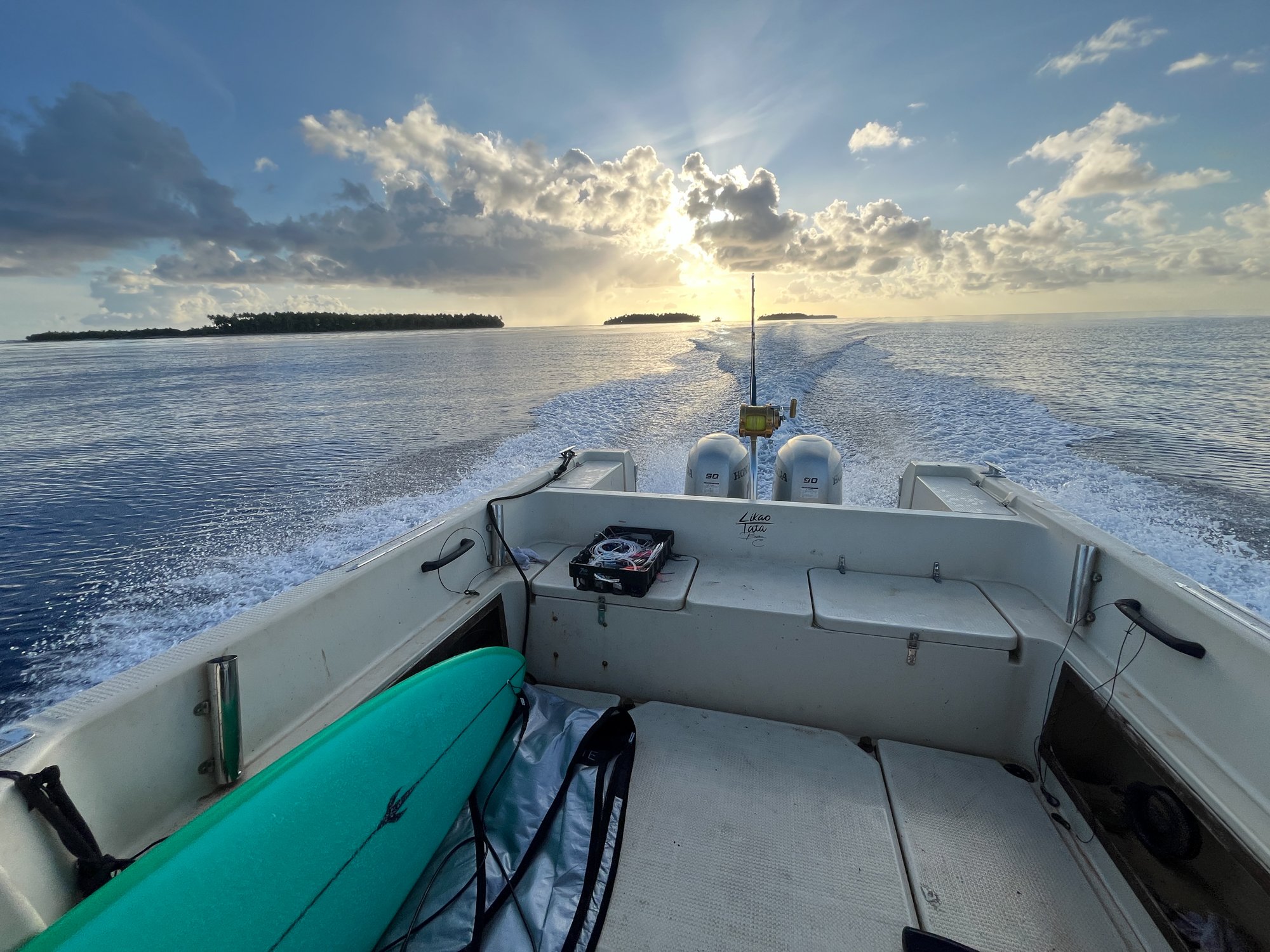
Twenty-four hours later, courtesy of two 90-horsepower Hondas, Captain Kyle and I blast across the sheet-glass lagoon.
"Want a beer?"
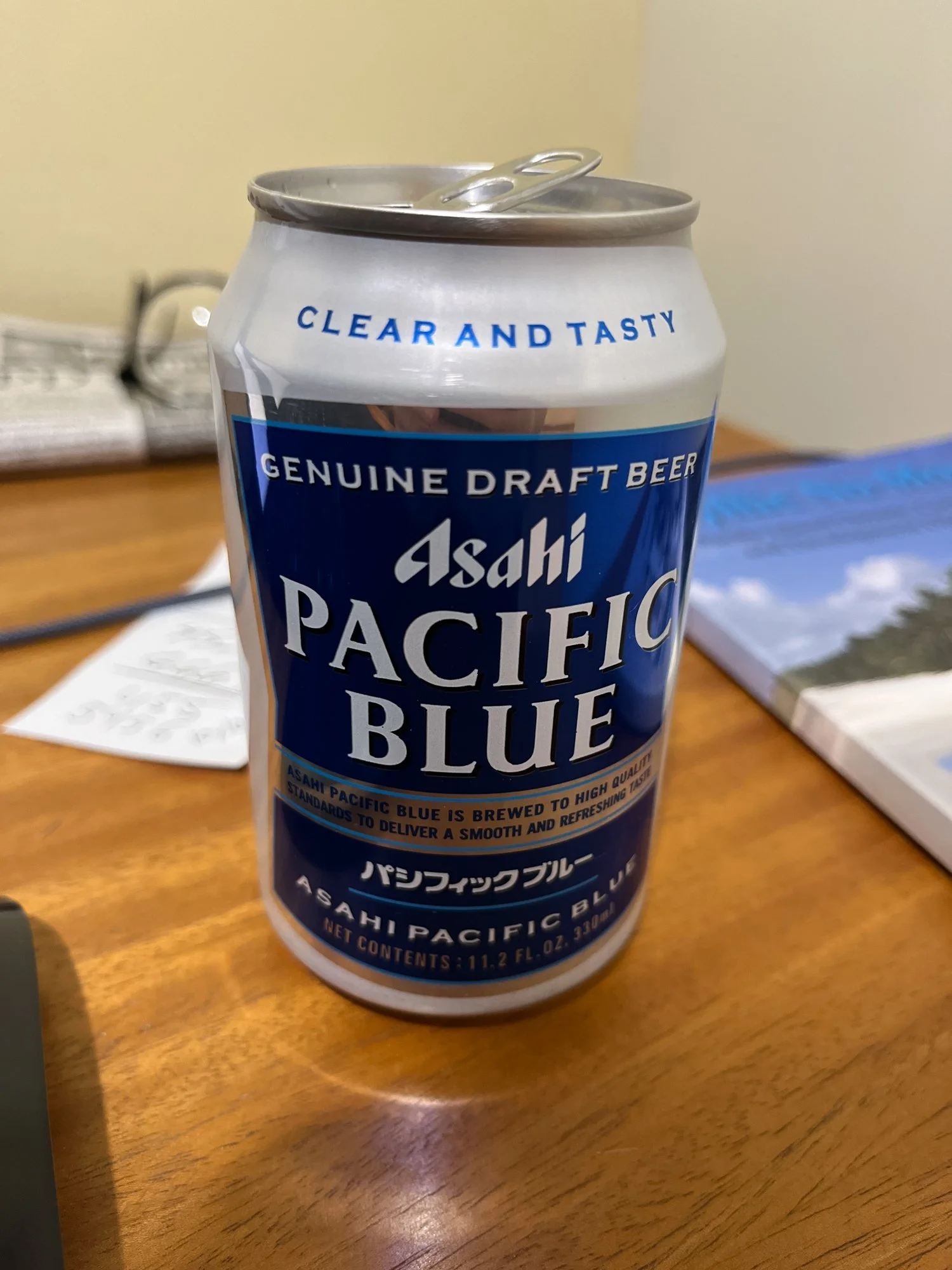
Micronesia's unofficial official (and my preferred) beer is Asahi Pacific Blue ('clear and tasty'), Japan-branded but China-brewed. Bud Light is the sole and unfortunate option in Kyle’s boat cooler.
"Surf first," I reply, "then beer."
“I don’t think there are waves. Seas are low and winds very calm."
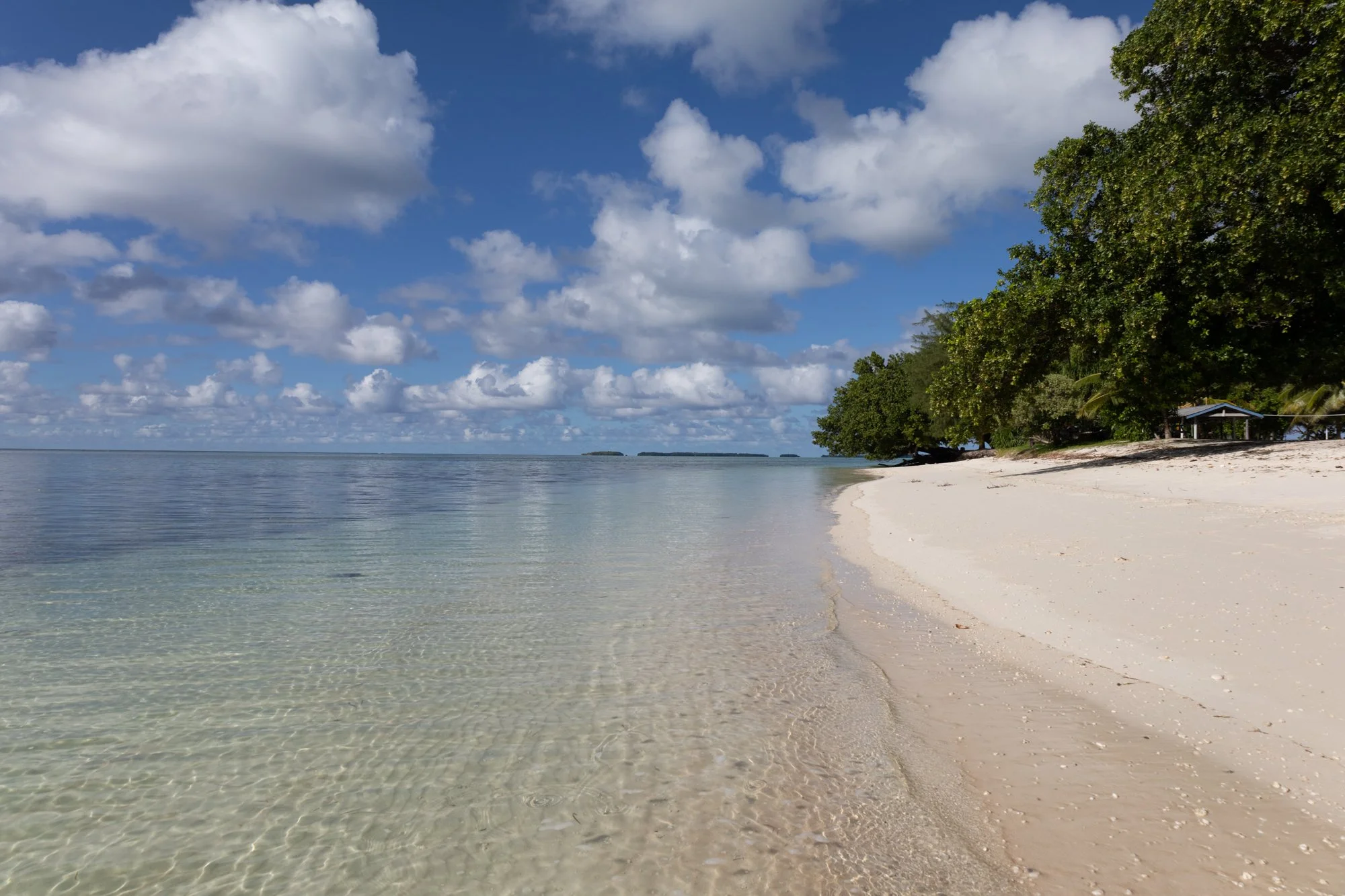
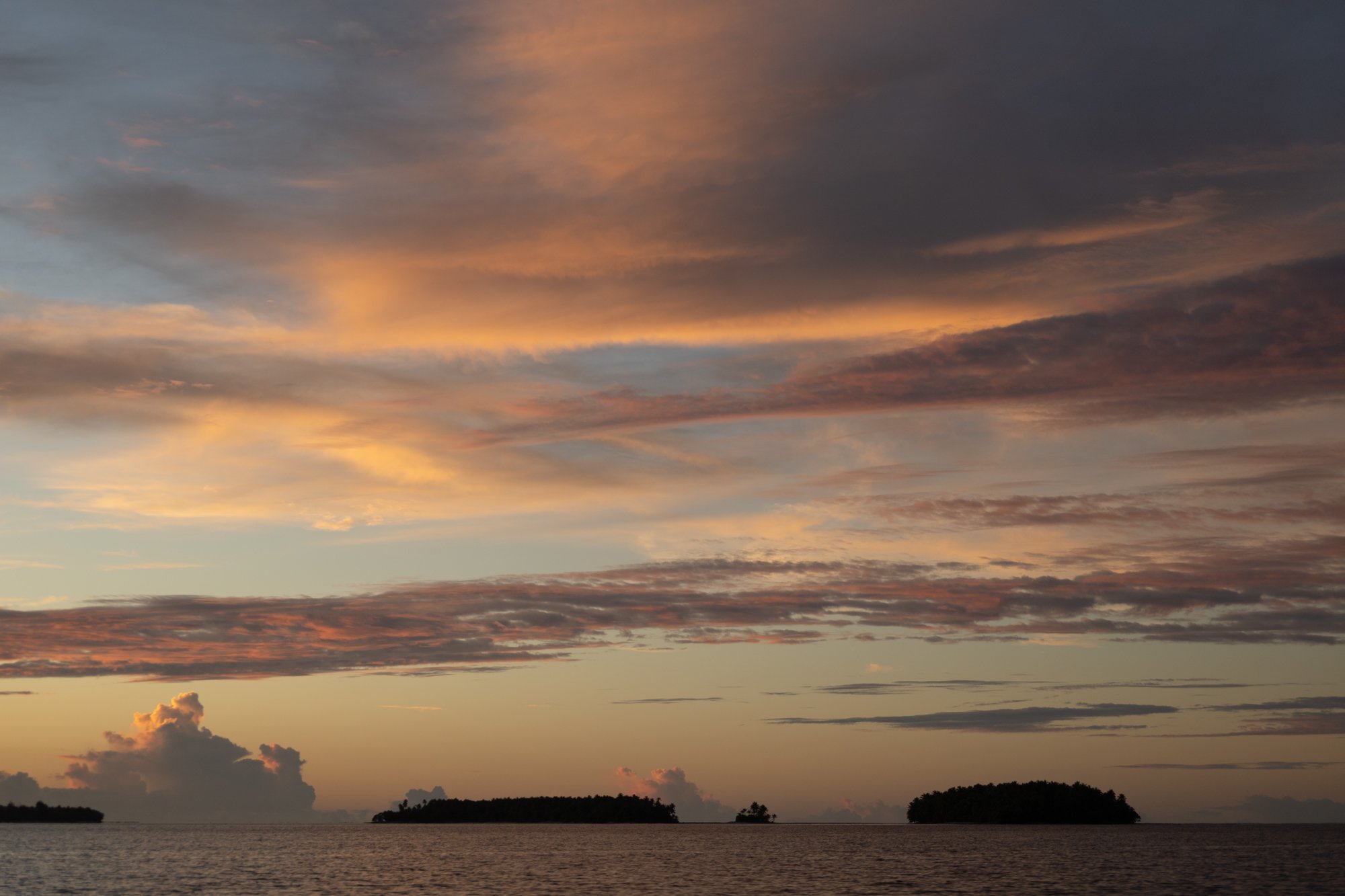
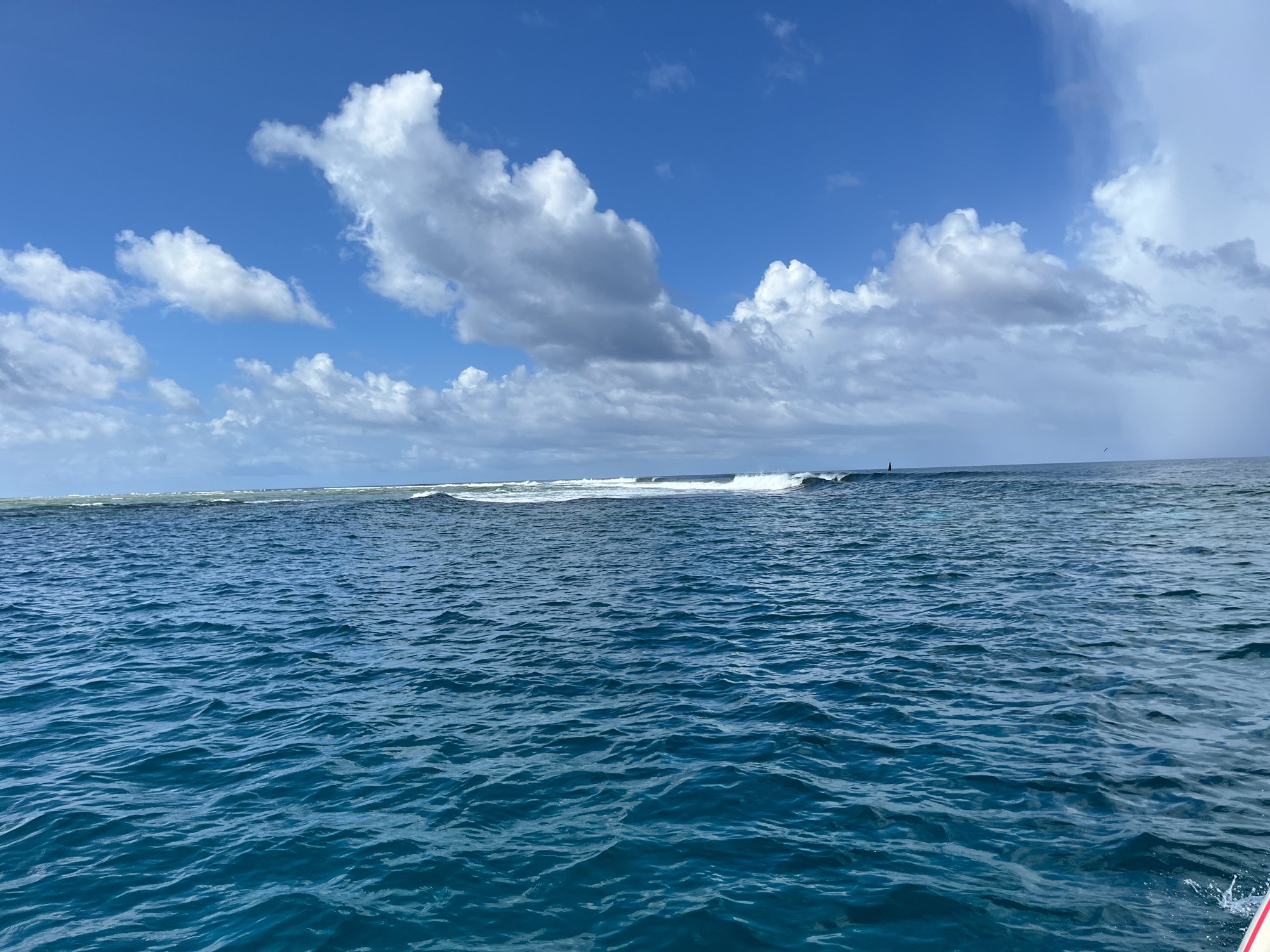
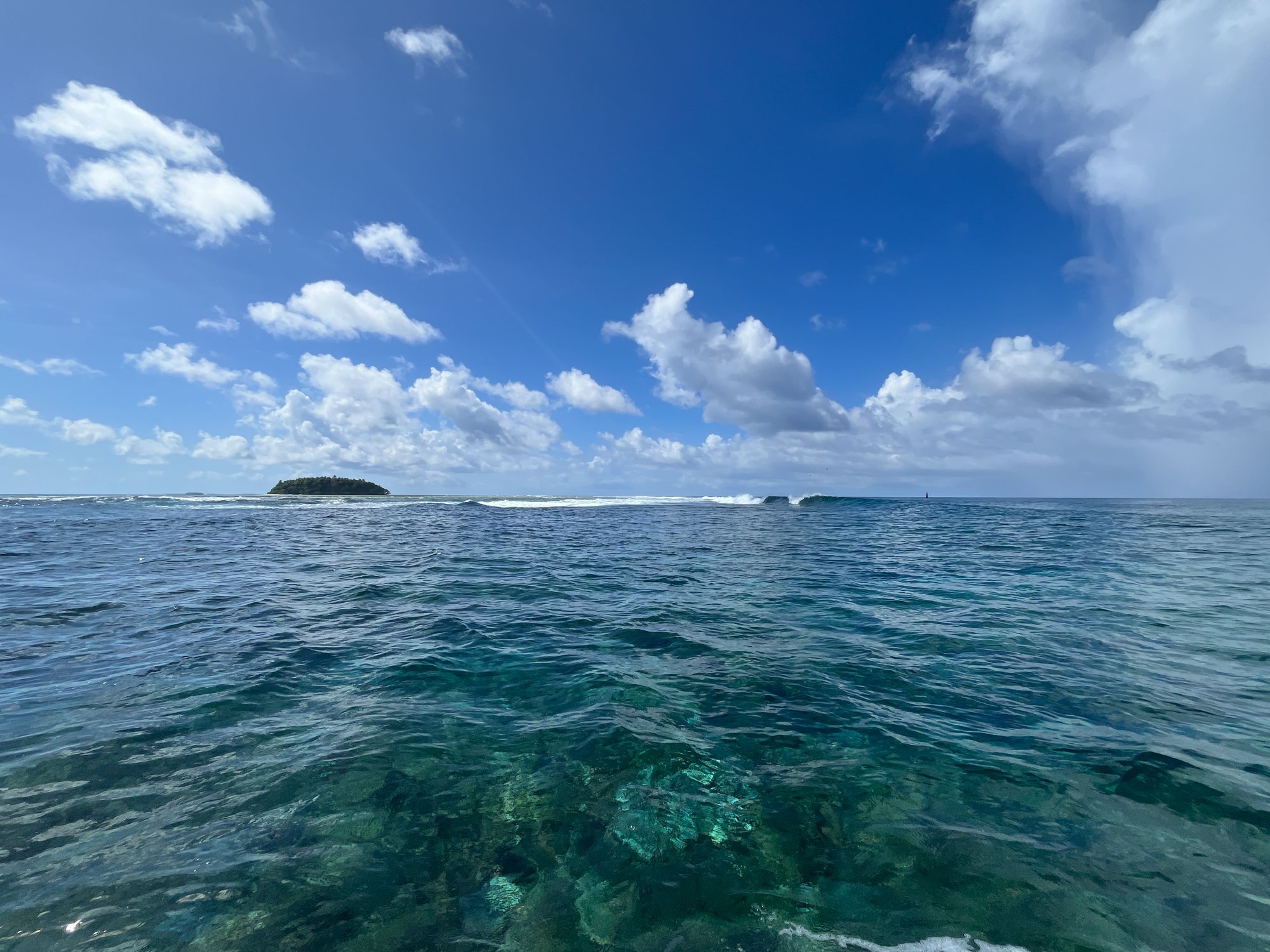
He names the various palmy islets as we speed past. Micro-whitewater is spied through the gaps between other islets (nearly 30 of them) but the spot I’m after—a quasi right point—is flat. No whitewater whatsoever. Full of small fish, its reef looks savage, prehistoric.
“I’ve seen some guys surfing here,” Kyle says, idling us into the channel. “They go on boats and then a couple guys jump in with their boards. Wait for the waves. Surf two times and then they go. Small waves. I think that was back in December four or five years ago. That's the last time I saw somebody surfing breaks.”
Well-attuned to “breaks,” normally avoiding them, he gestures west.
“Do you want to look over there? More swells on that side. Right in front of that island, you can see waves kind of breaking.”
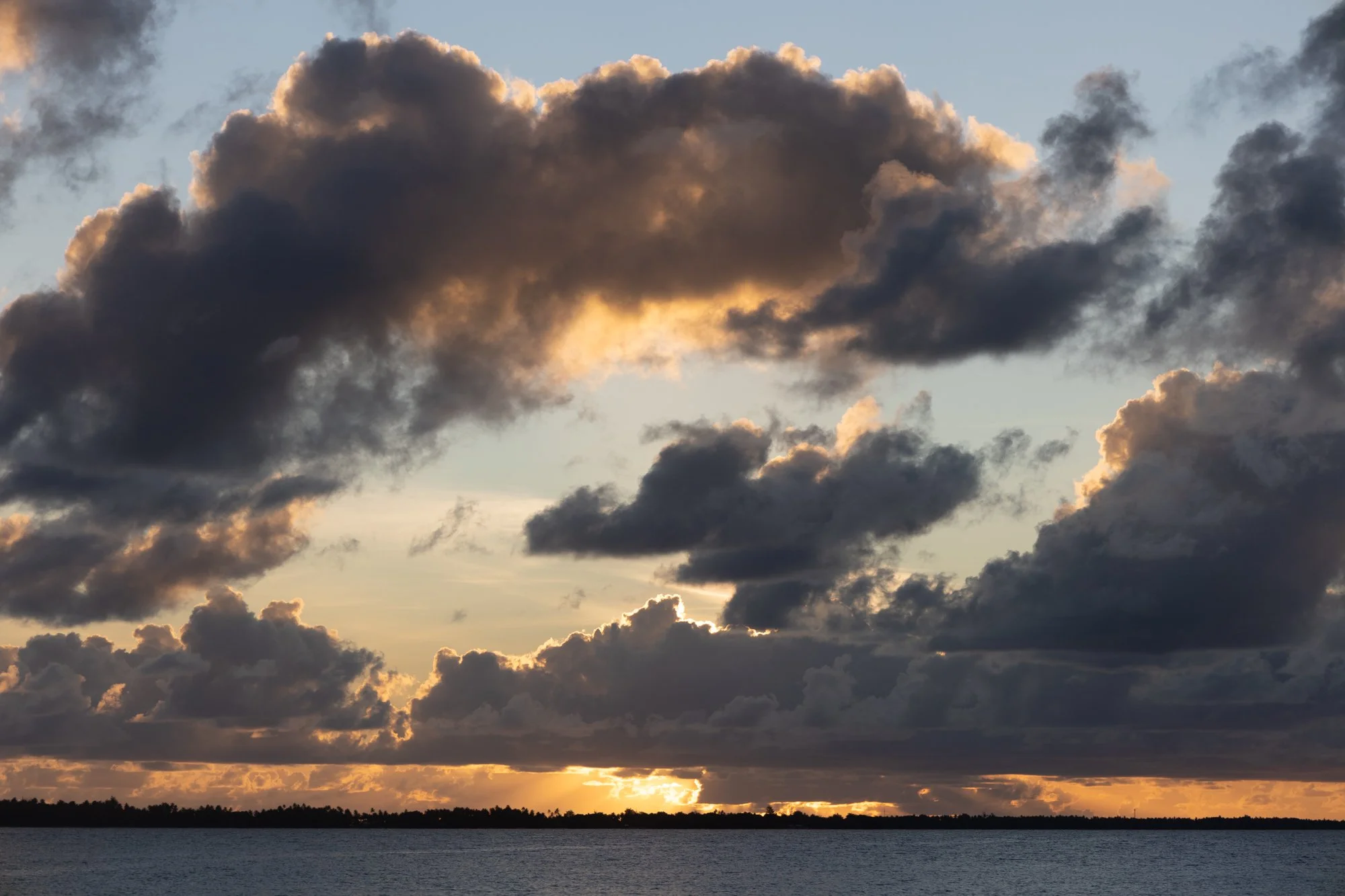
I squint into the glittered orange glare.
“That little island?”
“Yeah. ‘Bout half a mile inside are some breaks. You can see whitewater.”
We arc ‘round the reef and instantly I fall agog. Normally a windswept mess, a set of perfect little lefts is looping in the early sparkle of afternoon. Not Nirvana nor Amnesia—two Beran waves—but it’s something.
One of dozens, a black-naped tern swoops low over us with a “hello”—a cute distinct beep.
“We’ll drink to that,” I lip before slipping board and body over Nali’s scuffed white gunwale.
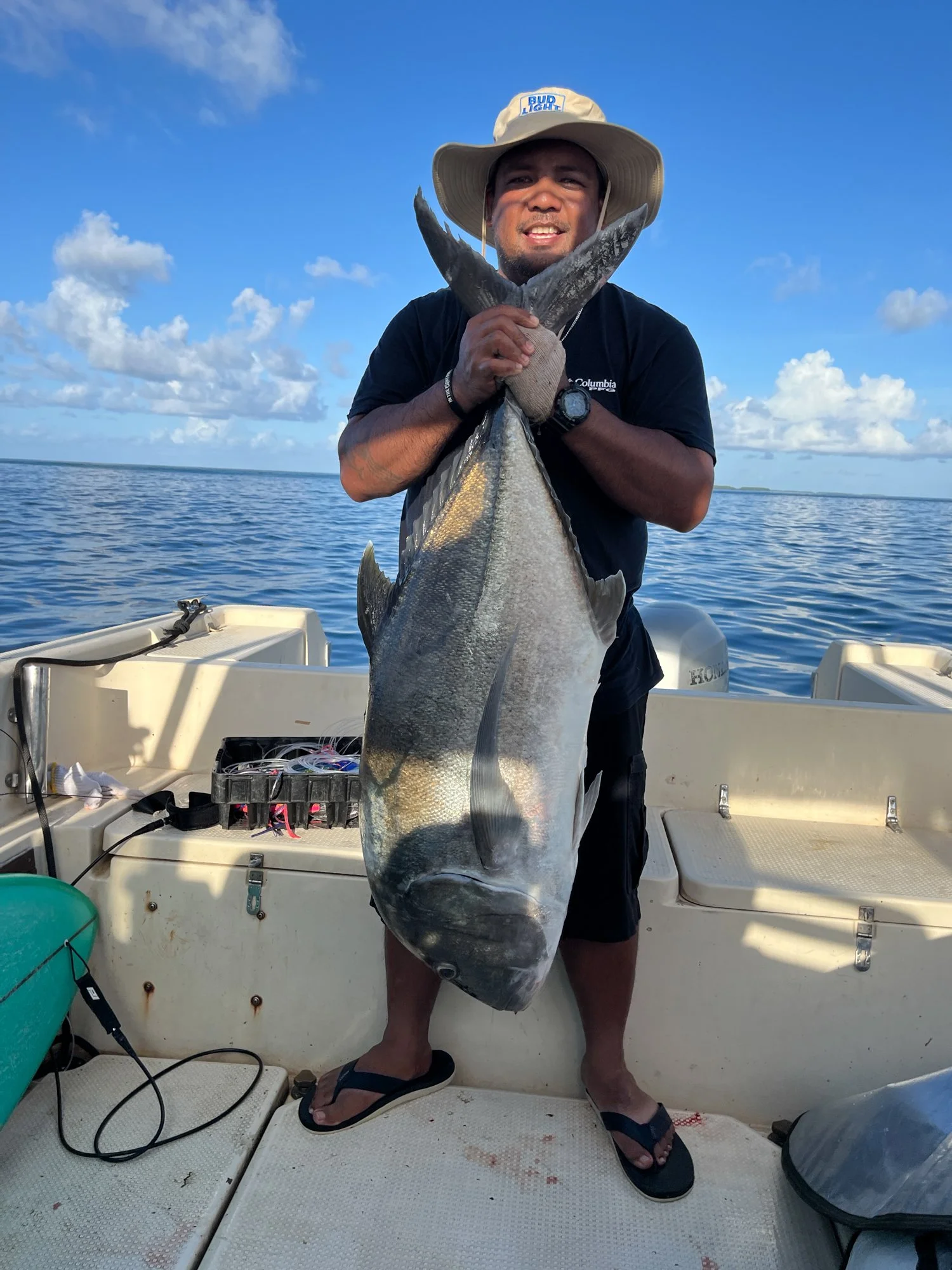
Water: silken. Dreamy crystalline. Low tide rising. Glassy consistent windswell curls. Swirls of black noddies and skittering baitfish. Indeed Kyle had confirmed this to be a prime spot for “popping”—perhaps he could hook a giant trevally, a favorite fish he’d caught only while trolling. On his second cast, five minutes following my first beautiful zip of a wave—pop!—he does just that.
Excerpted from Xanatollu (2026), my book about the world-famous Island Hopper flight route from Hawaiʻi through Micronesia to Guam. Signed copies available here from my online store.